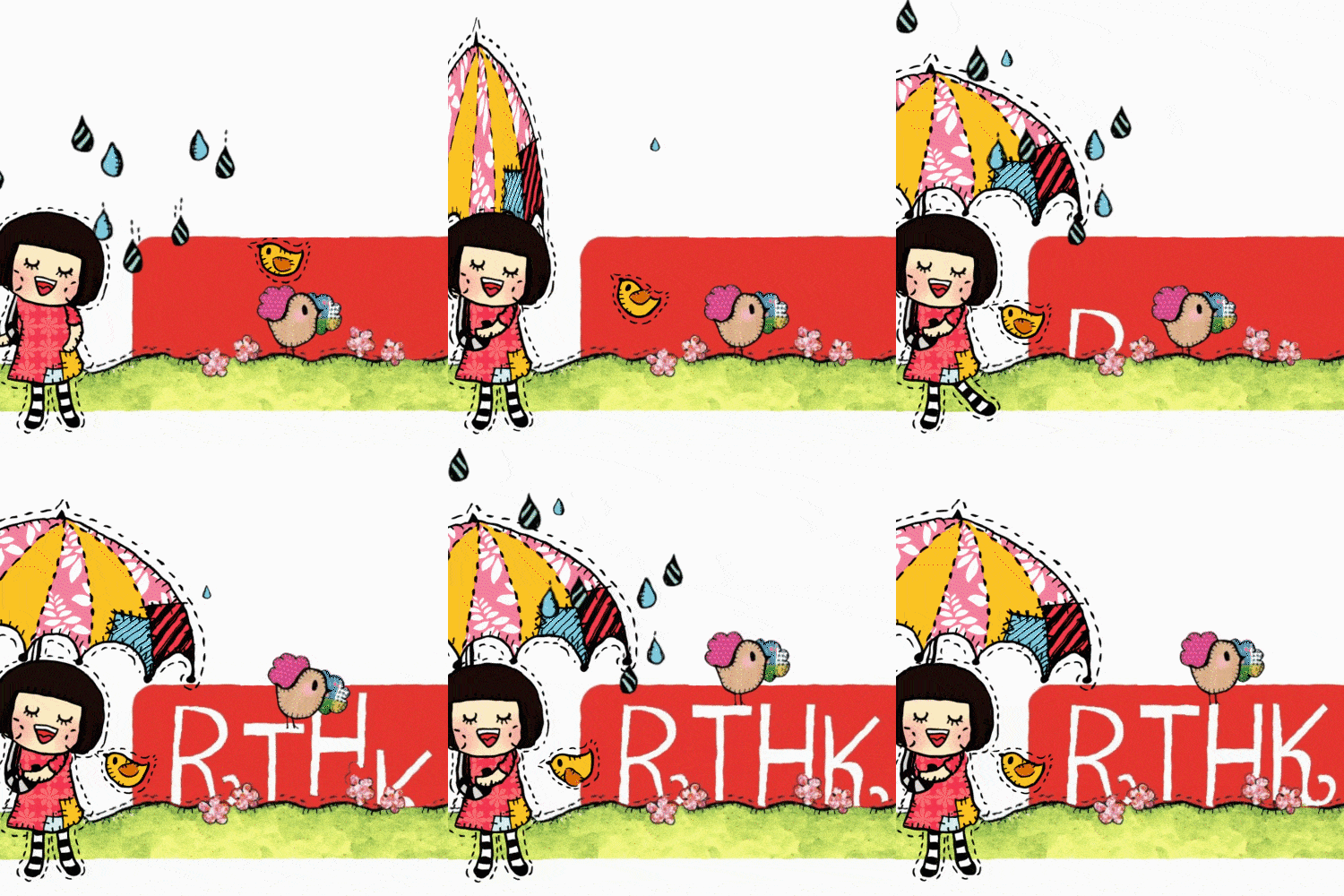
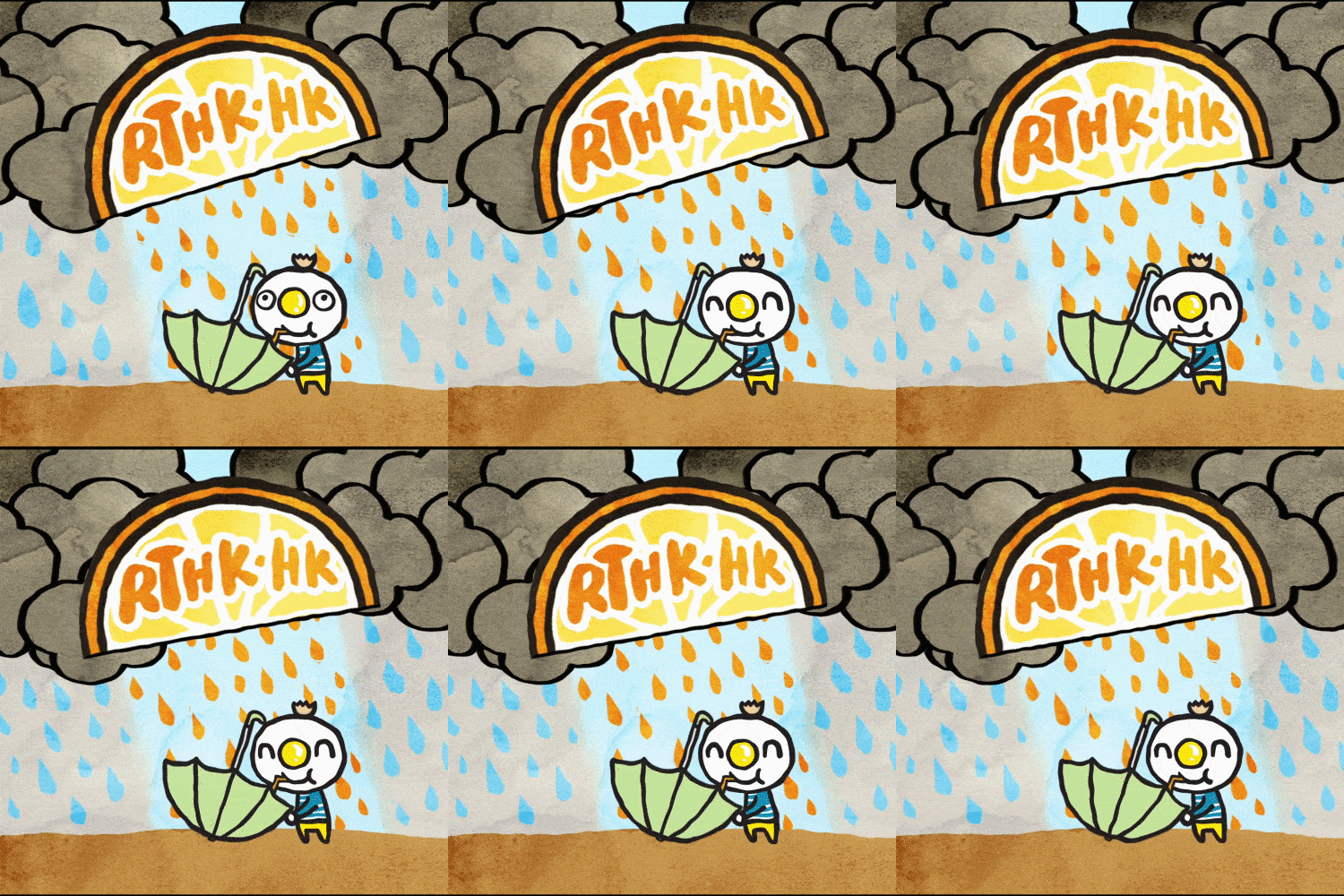
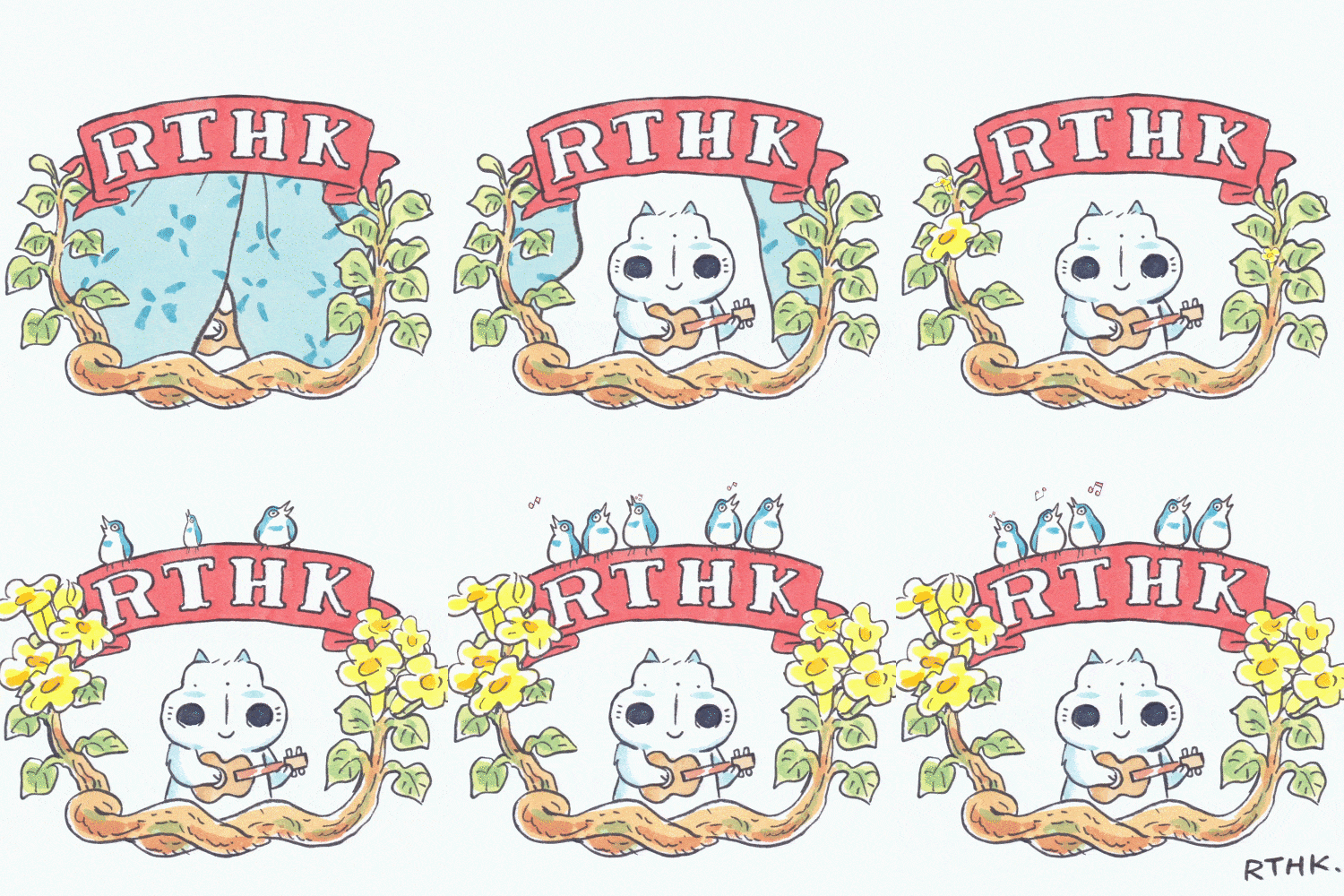
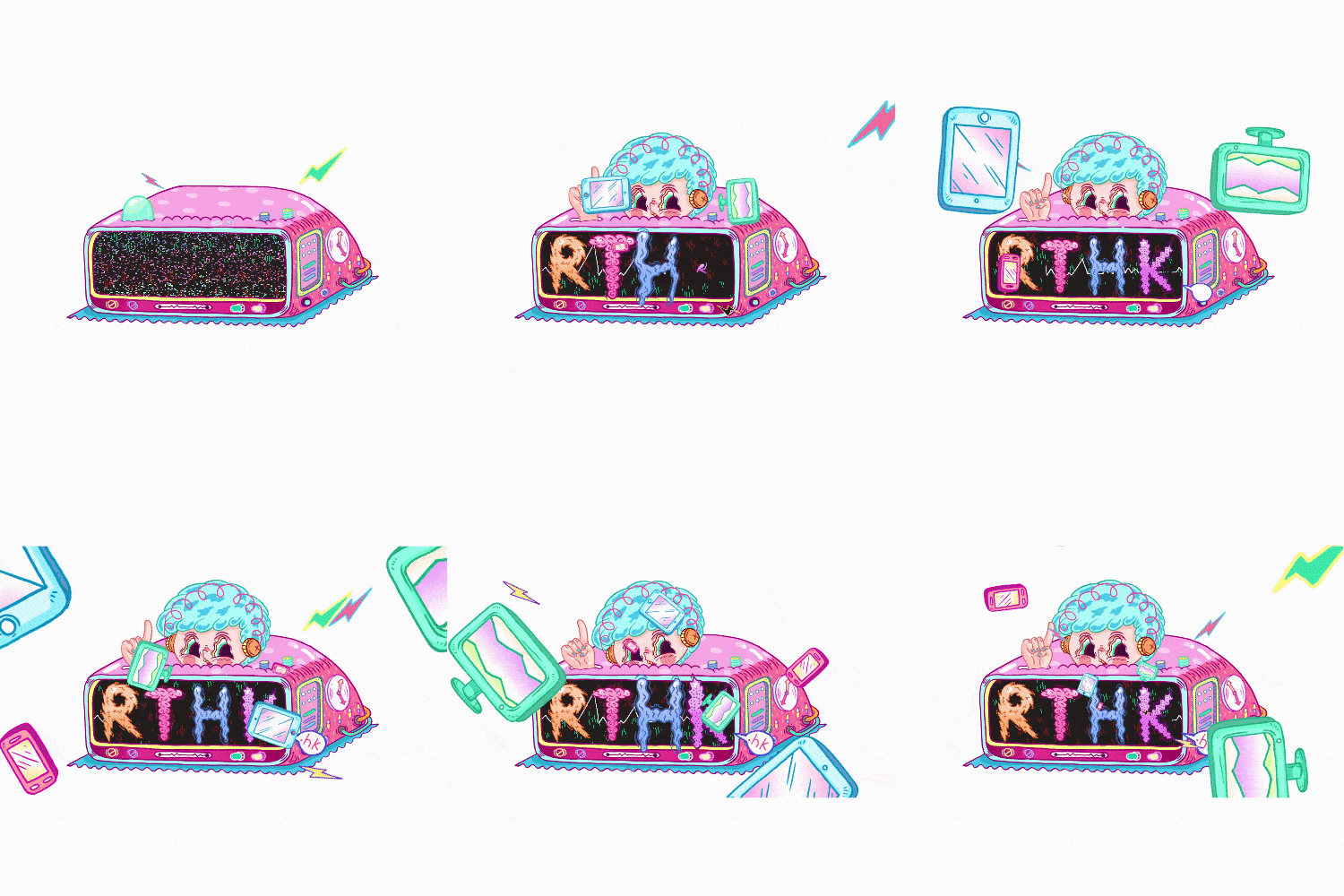
Animation production in Hong Kong
Double U creates animated videos in Hong Kong to explain ideas, present products and tell brand stories through illustration and motion.
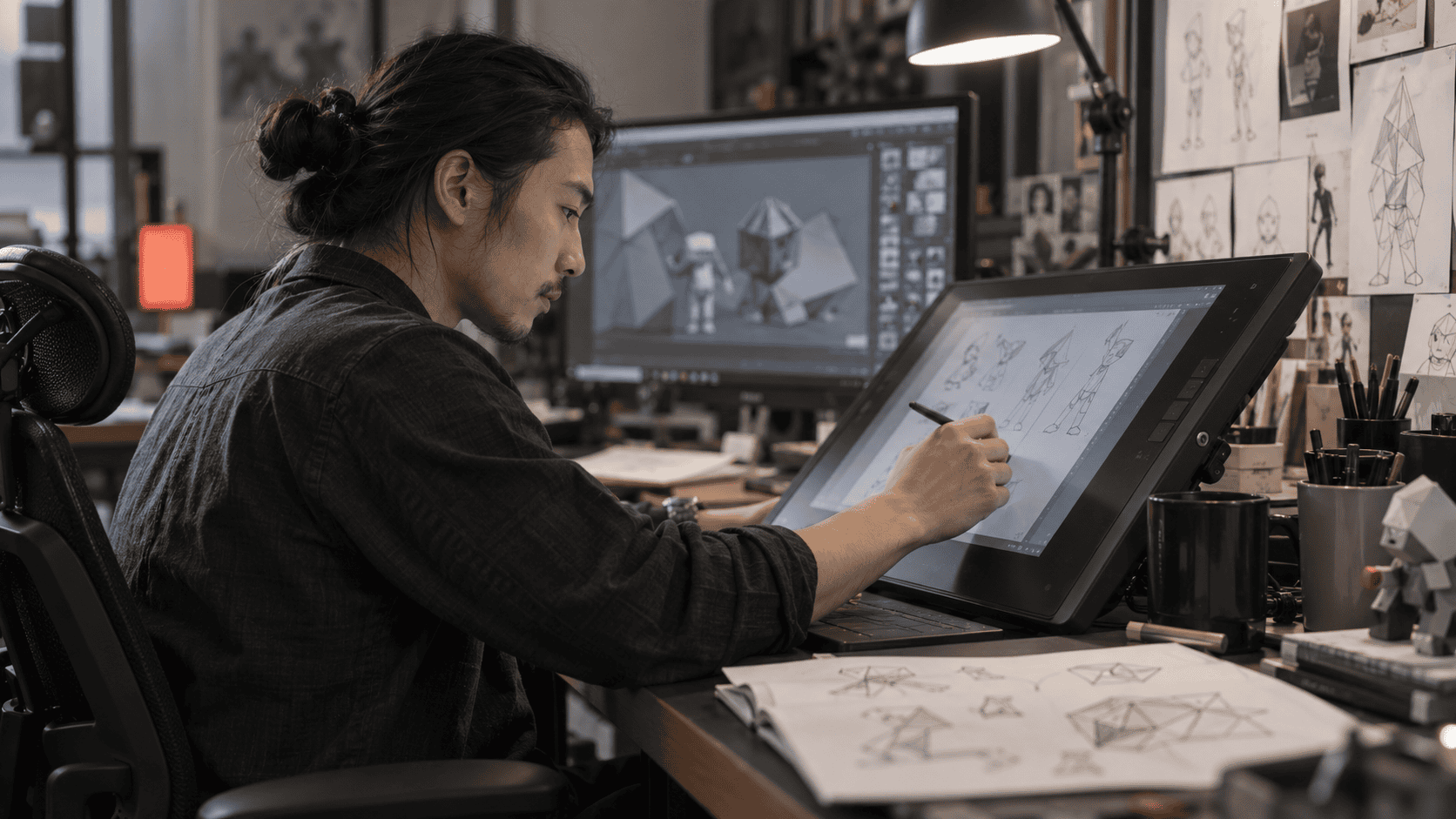
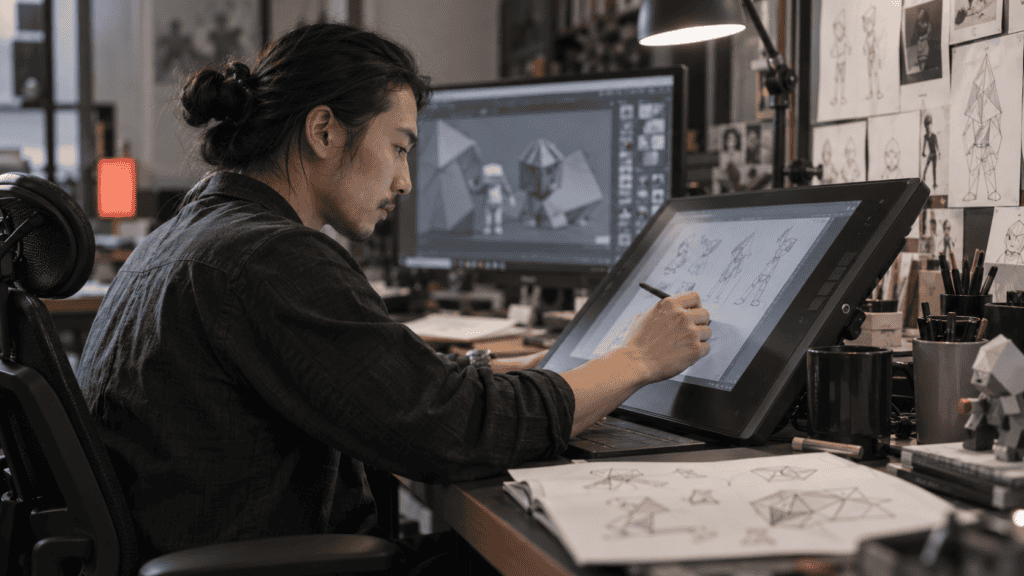
Our animation work includes design, illustration and storyboarding. We develop a custom storyboard around your message and brand style, then use it as the framework for the finished video.
The right approach depends on your audience, the complexity of the idea and the intended use. Share your brief, existing brand assets, preferred animation style, timing and budget so we can discuss a suitable scope.
An animated explainer makes an idea understandable through illustration, movement and a structured narrative. Double U creates animated videos in Hong Kong, using design, illustration and storyboarding to develop a visual approach around the message and brand.
Animation is especially useful when the important part of your story cannot easily be filmed: a process, a service journey, an abstract idea or a relationship between information.
When animation is the right choice
Choose animation when viewers need to understand how something works, rather than simply see what it looks like. A service process could be shown through a sequence of steps; a product's internal operation could be explained visually.
Choose live action when real people, environments or physical demonstrations are essential to credibility. A mixed approach can combine interview footage with explanatory graphics. Read animation versus live action before deciding.
Animation does not automatically make a weak explanation clearer. The script still needs one central point and an audience with a defined level of knowledge.
Approve the explanation before the movement
Begin with the problem, the main idea and the action viewers should take. Avoid asking a short explainer to cover every feature of a complex service.
Agree a script and visual direction before detailed animation. A storyboard helps reviewers assess the sequence, framing and information on screen. Style frames can clarify colour, illustration and typography. Discuss which planning materials are included in the proposed scope.
Late changes to an approved script can affect multiple scenes, timing, narration and graphics. Consolidated feedback early in the project can prevent unnecessary rework.
Choose a visual style that supports understanding
Simple diagrams may suit a process. Character illustration may suit a human situation. Motion typography may suit a focused announcement. Ask which approach communicates the idea effectively before choosing a style because it looks fashionable.
Supply your brand guidelines and any approved illustrations, icons or product information. Discuss whether existing assets can be adapted or new artwork is needed.

Discuss your animation project
Tell us your goal, intended audience, where the video will be used and your preferred timing. Include any reference videos or brand assets, and your budget range if known, so we can discuss the production scope.
Animation production: questions before you brief
When should I consider animation?
Animation can help communicate ideas that are difficult to film directly or need a clear visual explanation. Consider the audience, message and intended use before choosing it. Share reference styles and brand assets with Double U so the team can discuss concepts, storyboards, design and illustration.
What affects an animation project's scope?
Scope depends on the style, script, duration, scenes and final outputs. Existing illustrations, brand assets or an approved script can shape the starting point. Include your target date and reference links in the enquiry, then confirm production stages, versions and review arrangements with the team.
Plan your animation
Start with the message and the idea that needs explaining. Share existing brand assets, product information and any visual references; identify claims that require factual approval.
Script length, visual style, illustration, character work, voiceover, language versions and revision rounds affect the scope. Agree the storyboard before detailed animation.
Animation can explain processes or concepts that are difficult to film. Live action may suit demonstrations or stories centred on real people.
Useful next steps: prepare your video brief · understand quotation factors · see our portfolio.
What affects the animation quotation?
The quote depends on duration, visual complexity, original design, scene count, character movement, narration, sound, language versions and required edits. “One minute of animation” does not define a consistent scope.
List subtitles, alternative voiceovers, vertical versions and future adaptations separately. Text expansion and different narration timings can change the layout of another language version. See the quotation guide.
Animation questions
Is animation cheaper than filming?
It depends on the brief. Animation may avoid a location shoot but require substantial design and production. Compare proposed approaches against the same objective and deliverables.
Can an animated video be updated later?
Potentially, depending on the source files, rights and changes required. Ask about future updates and the agreed handover before commissioning the work.
What should we provide?
An audience description, the idea to explain, accurate product or service information, brand assets, reference styles and a deadline.
Make the complex idea easier to understand
Explore the portfolio, then send Double U your animation brief. Include the question viewers should be able to answer after watching.